
Why CSI Supports Federal Policies That Strengthen Second Chances


For people with past arrest or conviction records, the barriers to opportunity often extend beyond their records. Even after completing their sentences, many face challenges accessing employment, housing, education, and other resources needed to build a stable future. A past record can prevent a job application from advancing, while limited access to workforce training and reentry services can create additional obstacles.
At The Clean Slate Initiative (CSI), we work to pass and implement laws that expand access to automated record sealing for eligible arrest and conviction records. But record sealing is only one part of the larger picture. To ensure people with records have a fair opportunity to work, access housing, and contribute to their communities, we have to look at other solutions, too. Federal policies that strengthen workforce development, expand reentry services, and improve supervision practices can help address additional barriers to opportunity.
As CSI’s Federal Affairs Director, I look at how those policies work together with Clean Slate to paint the whole picture. Record sealing can help someone get through a background check; workforce programs can help them prepare for the job;stable housing and access to care can help them keep it. Our endorsements of the Workforce Reentry Act, continued Second Chance Act funding for fiscal year 2027, and the Safer Supervision Act reflect that practical connection.
The Workforce Reentry Act
Summary: The Workforce Reentry Act would help people returning from incarceration get job training and connect with employers. It complements Clean Slate policies by pairing a fairer chance in the hiring process with support to prepare for and find a job.
Introduced by Rep. Lloyd Smucker (R-PA), H.R. 1633, the Workforce Reentry Act, would amend the Workforce Innovation and Opportunity Act to establish a grant program supporting people’s return to the workforce after incarceration. It would provide competitive grants and pay-for-performance contracts for eligible organizations, including nonprofits, employers, educational institutions, and workforce boards.
The bill supports job training, placement, mentoring, and apprenticeship opportunities, with priority for partnerships that connect participants to in-demand occupations or employer-backed training. It also requires reporting on employment and recidivism outcomes.
CSI supports this approach because expanding access to employment requires addressing the barriers people with records face throughout the hiring process. Record sealing can help remove barriers associated with background checks, while workforce development programs can connect people with the training, skills, and employment opportunities they need to succeed.
For me, the emphasis on employer partnerships and measurable results is especially important. Public investments should help people find and sustain employment, and policymakers should be able to assess whether those investments are delivering.
Second Chance Act Funding for Fiscal Year 2027
Summary: Continued funding for the Second Chance Act would help people returning from incarceration access housing, job support, and treatment. These services work alongside Clean Slate policies to help people build stable lives: record sealing removes some barriers, while reentry services help people meet other needs.
CSI has endorsed continued funding for the Second Chance Act in fiscal year 2027 and supported the national sign-on letter urging Congress to sustain that investment.
Second Chance Act grants support reentry services such as career training, job placement, housing assistance, and substance use and mental health treatment. These services help people returning from incarceration access the resources and support they need to secure employment, find stable housing, and contribute to their communities.
Sustained federal funding is essential to ensuring these programs can reach the people and communities they are designed to serve. Without adequate resources, organizations may struggle to provide the services that help people successfully transition back into their communities.
From CSI’s perspective, this is a natural complement to record sealing. Someone whose record is eligible to be sealed may also need help finding housing, accessing care, or preparing for work. Our support for the coalition letter joins organizations across the reentry field in asking Congress to continue investing in those needs.
The Safer Supervision Act
Summary: The Safer Supervision Act would make federal supervision after prison more responsive to each person’s circumstances and progress, including a clearer path to ending supervision early. Like Clean Slate policies, it recognizes that unnecessary barriers can keep people from moving forward with work, family, and community life.
The Safer Supervision Act is sponsored by Rep. Laurel Lee (R-FL) in the House (H.R. 5883) and Sen. Mike Lee (R-UT) in the Senate (S. 3077).
Federal supervised release is the period of court-ordered supervision that can follow a prison sentence. The Safer Supervision Act would require individualized assessments of whether supervision is appropriate, except where it is required by statute. It would also establish a clearer process for early termination for people who demonstrate good conduct and compliance, subject to public safety considerations.
The bill would give judges more discretion in responding to certain minor drug possession violations, allowing them to consider treatment and rehabilitation rather than requiring reimprisonment in every such case.
CSI supports these changes because supervision requirements should reflect individual circumstances, demonstrated progress, and public safety needs. Unnecessary restrictions can create additional barriers to employment, family responsibilities, and long-term stability for people returning to their communities.
I see value in a system that recognizes progress and gives courts a clear way to respond to it. A person’s conduct and efforts to reintegrate should matter. Targeting supervision where it is needed can also help officers focus their time and resources on people who need greater support and oversight.
A Consistent Approach to Federal Advocacy
CSI’s endorsement process examines a proposal’s alignment with our mission, its potential impact, and its relevance to our priorities. This approach keeps the focus on how federal policies can expand opportunities for people with past arrest or conviction records.
These endorsements reflect our commitment to expanding access to meaningful second chances. By supporting policies that remove barriers to employment, strengthen reentry services, and promote fair supervision practices, we can help ensure that people have greater opportunities to work, support their families, and contribute to their communities.
Federal progress requires working across the political spectrum to advance practical reforms. CSI will continue working with congressional champions and partners to support policies that expand opportunity and strengthen public safety. We urge Congress to advance these reforms and sustain the funding that helps communities support people who are working hard to reach their full potential.
Stay up to date on our federal policy endorsements at cleanslateinitiative.org/federal.

Reflections from NOBLE’s 50th Annual Training Conference
Our Federal Legislative Director, Reginald Darby, shares his reflections on leadership, partnership, and public safety from a week of learning and connection at NOBLE's 50th Annual Training Conference.
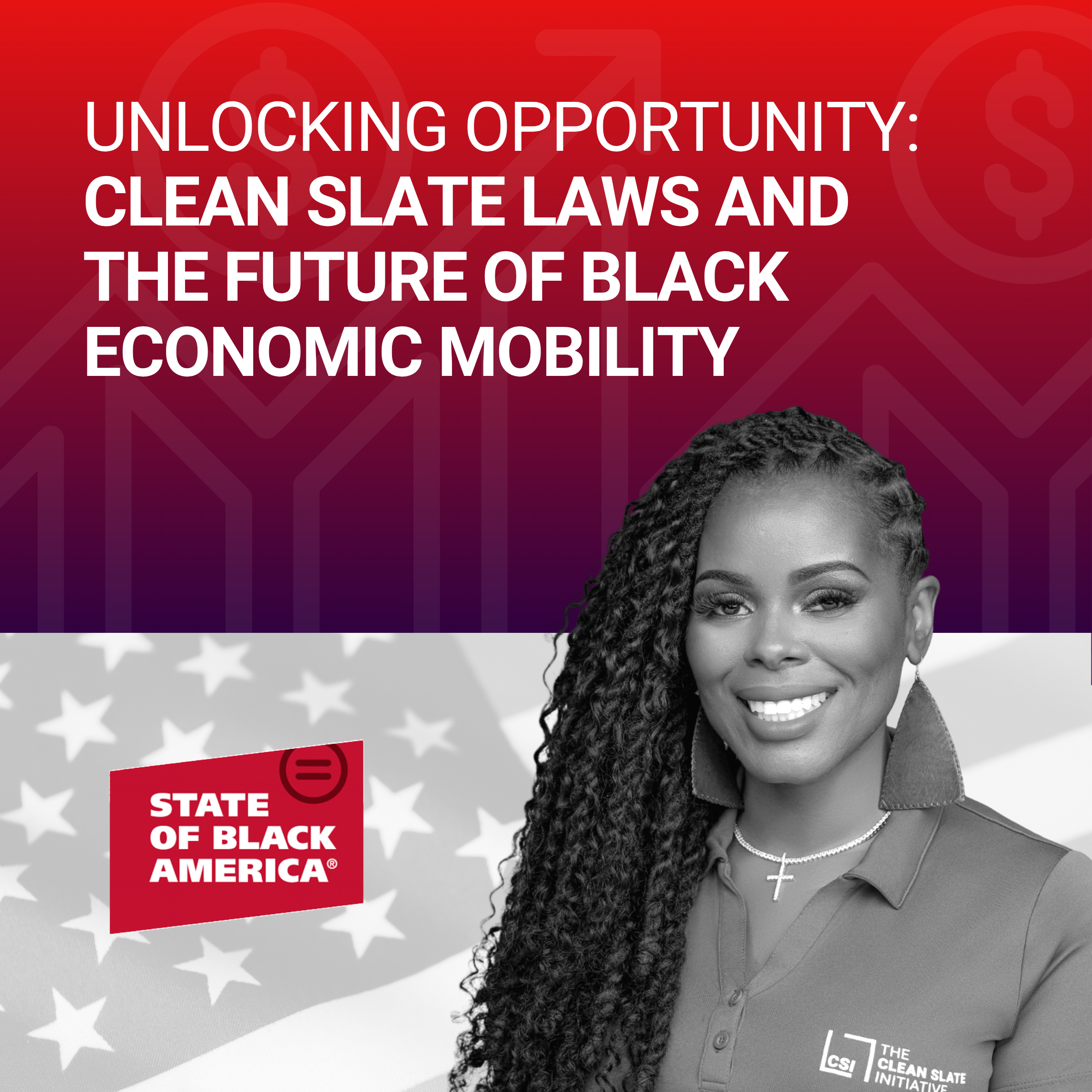
Unlocking Opportunity: Clean Slate Laws and the Future of Black Economic Mobility
Originally published in the 2026 State of Black America®, this essay by our CEO explores how arrest and conviction records limit economic opportunity for Black Americans—and how Clean Slate can help expand access to second chances.
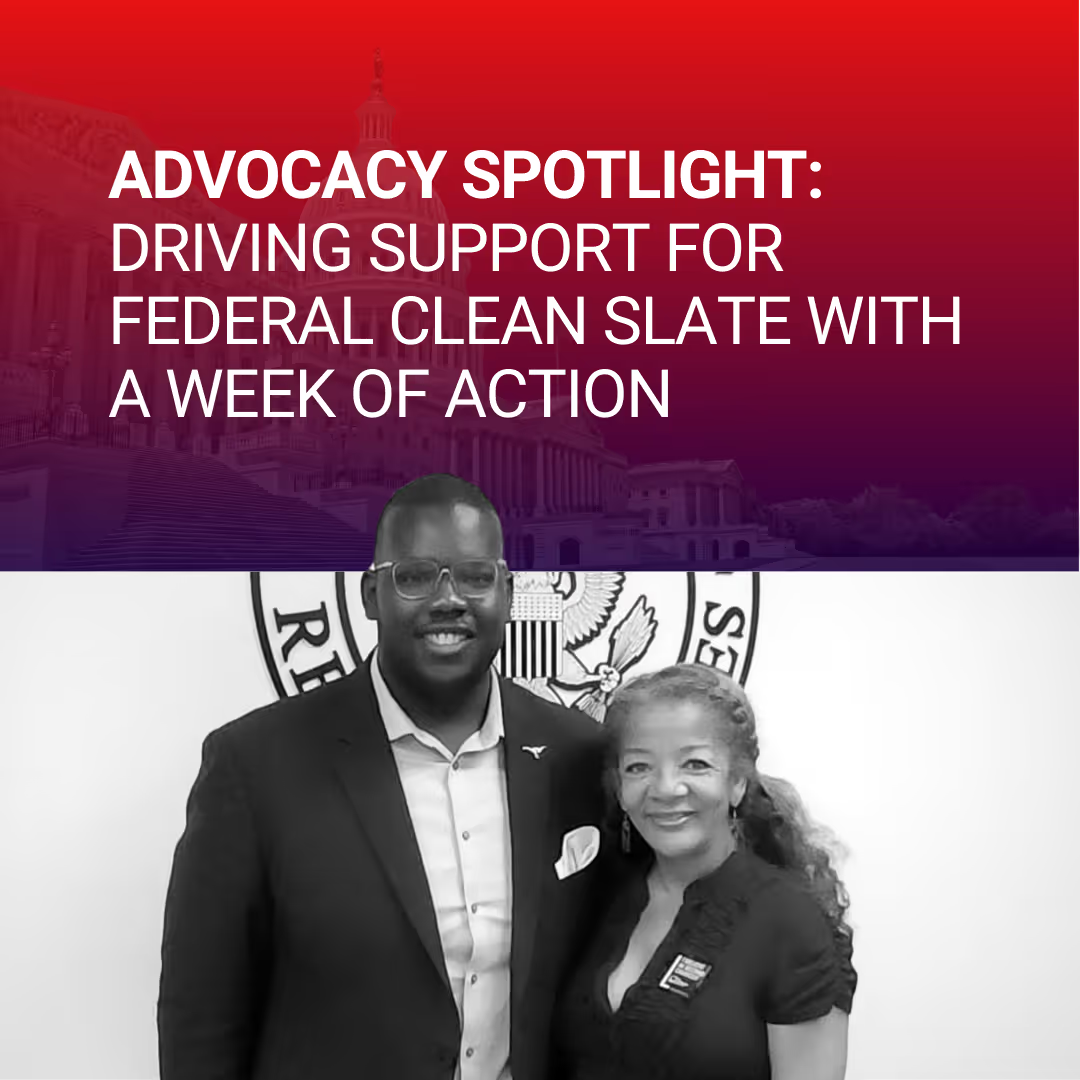
Advocacy Spotlight: Driving Support for Federal Clean Slate with a Week of Action
The Clean Slate Initiative's first-ever Clean Slate Week of Action elevated our federal priorities and demonstrated the profound power of federal Clean Slate support. Learn more in this update from Reginald Darby, Federal Legislative Director.
Why CSI Supports Federal Policies That Strengthen Second Chances
Automated record sealing can help remove barriers to opportunity, but people with past arrest or conviction records often face additional challenges. CSI Federal Affairs Director Reginald Darby explores why The Clean Slate Initiative supports the Workforce Reentry Act, continued Second Chance Act funding, and the Safer Supervision Act, and how these federal policies complement Clean Slate efforts.
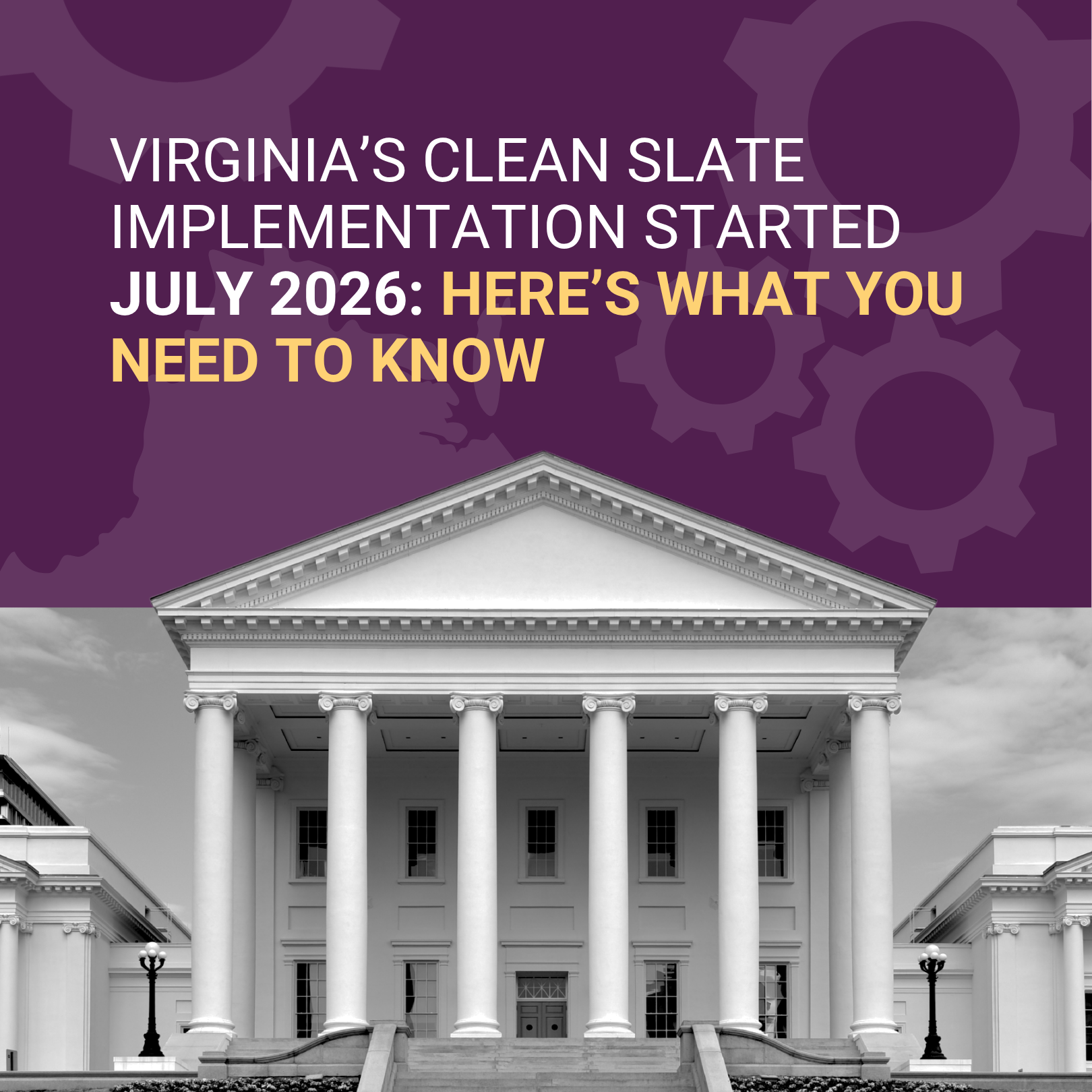
Virginia’s Clean Slate Implementation Started This July: Here’s What You Need to Know
Virginia's Clean Slate Act entered implementation on July 1, 2026. Learn what changed, who may be eligible for record sealing, and what comes next as the law rolls out across the Commonwealth.
New Research: The Economic Losses from Arrest & Conviction Records
A new research report by The Clean Slate Initiative finds that arrest and conviction records are associated with substantial and persistent losses in employment and earnings — even when a person was never convicted and even after more than a decade without further legal system contact.
