.avif)
Oklahoma Takes a Major Step Forward on Clean Slate Implementation


Oklahoma is just one signature away from delivering on their promise of a second chance: with the passage of SB 2030, state lawmakers have taken important action to strengthen and streamline Oklahoma’s Clean Slate Act.
The Need for Clean Slate in Oklahoma
Clean Slate creates an automated process to seal certain arrest and conviction records after a person has become eligible: so once someone completes their sentence and remains crime-free for a set period of time, their record is sealed without additional work on their part. Once a record is sealed, it no longer shows up on most background checks — removing barriers to jobs, housing, education, and other opportunities.
In Oklahoma, 25% of adults have an arrest or conviction record, often for old, lower-level offenses. These records can follow people for years, long after they’ve paid their debt to society, making it harder to move forward and support themselves and their families.
Clean Slate is designed to change that. By automating the process, people gain access to their second chance as soon as their record becomes eligible for sealing — opening doors to opportunity and a real second chance.
Why Was a “Fix” Bill Needed?
In 2022, Oklahoma became the sixth state in the nation to pass Clean Slate legislation. The state’s original bill passed with strong bipartisan support, and made a promise to put Oklahomans on a path to record sealing, better opportunities, and a true second chance.
The bill was intended to be fully-implemented in 2026, but a complex policy like automated record sealing requires coordination across multiple state agencies and systems, and sometimes there are unforeseen roadblocks on the path to making the law a reality.
In Oklahoma, technical and administrative challenges slowed progress, leaving many people waiting for the relief they’ve earned. SB 2030 addresses those challenges head-on.
The bill simplifies the process by removing steps that require manual work, making the system more efficient and scalable. It also sets clear deadlines for implementation — ensuring accountability and preventing delays that could leave people stuck in limbo. In short, this new legislation is designed to make Clean Slate actually work as intended.
Who Will Benefit from Clean Slate in Oklahoma?
Once fully implemented, 354,000 adults with eligible records will be on a path to full record sealing. That kind of relief will help hundreds of thousands access better employment opportunities, stable housing, education and training, and more financial stability.
And the benefits don’t stop there. When people can fully participate in the workforce and their communities, it strengthens families, supports local economies, and reduces recidivism. Clean Slate policies have consistently received bipartisan support across the country because they improve public safety while expanding economic opportunity.
What Happens Next?
SB 2030 now heads to Governor Kevin Stitt for his signature. If signed into law, Oklahoma will move forward with implementation on a timeline to have all back-logged records sealed by November 2029.
The Oklahoma State Bureau of Investigation (OSBI) must begin sealing records through the Clean Slate process by November 2027 and records that were eligible for Clean Slate as of November 2027 must be sealed by November 2029. Along with the legislation’s new reporting requirements, these deadlines were designed to keep agencies accountable every step of the way and will ensure that hundreds of thousands of eligible residents aren’t left waiting years for relief.
With this bill, Oklahoma is taking the steps needed to turn a bold idea into a working system that delivers real results for real people. For Oklahomans, that could mean finally having the chance to move forward without being held back by their past.
Virginia’s Clean Slate Implementation Started This July: Here’s What You Need to Know
Virginia's Clean Slate Act entered implementation on July 1, 2026. Learn what changed, who may be eligible for record sealing, and what comes next as the law rolls out across the Commonwealth.
.png)
New Resource Helps Pennsylvanians Understand Clean Slate and Check Their Records
A new Clean Slate Initiative resource helps Pennsylvanians understand which records may qualify for automated sealing, how waiting periods work, and how to check what appears on their public record.
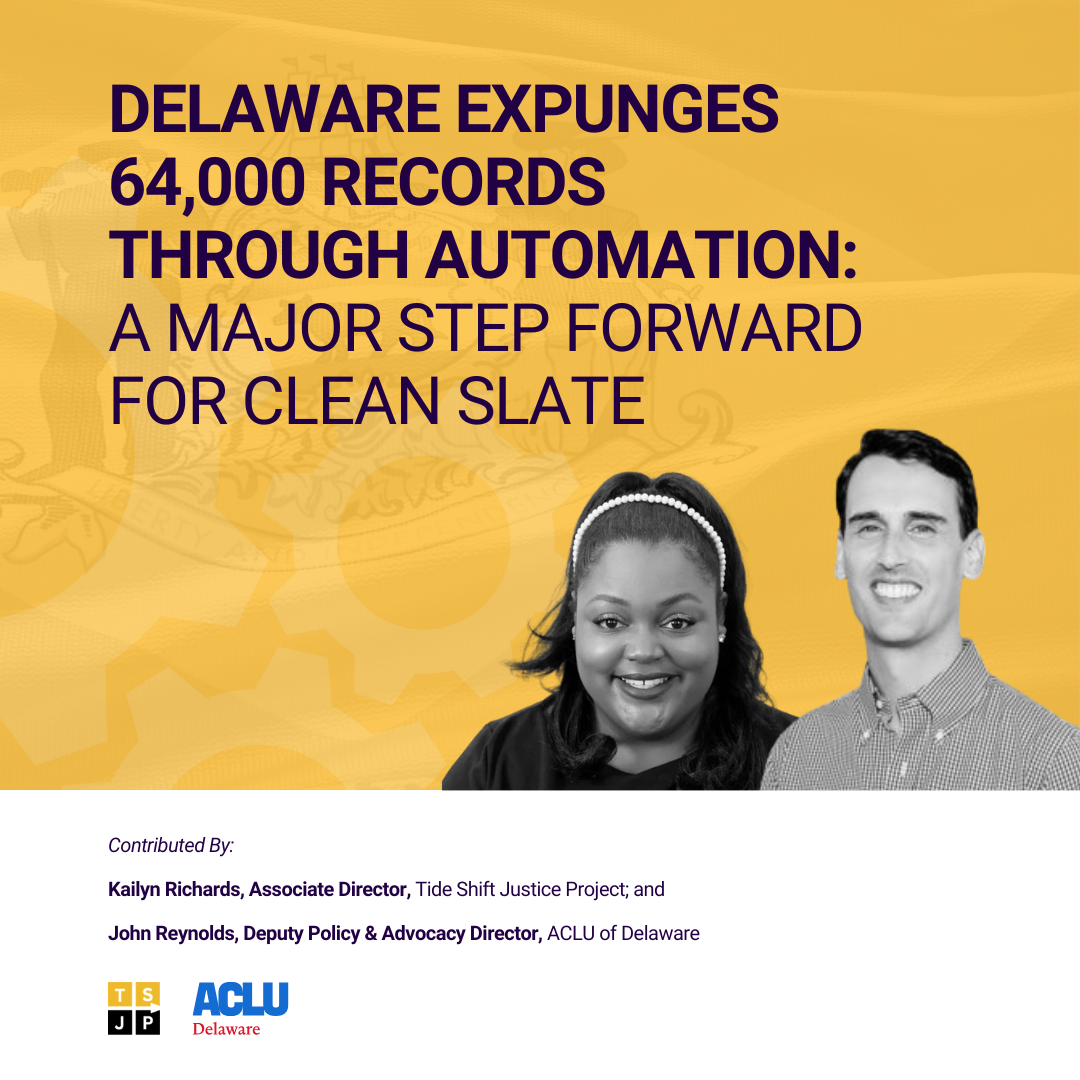
Delaware Expunges 64,000 Records Through Automation: A Major Step Forward for Clean Slate
Thousands of Delawareans have just received the second chance they were promised when the state passed its automated expungement law in 2021. Learn more in this guest contribution from Clean Slate Delaware partners, Kailyn Richards, Tide Shift Justice Project, and John Reynolds, ACLU of Delaware.
Virginia’s Clean Slate Implementation Started This July: Here’s What You Need to Know
Virginia's Clean Slate Act entered implementation on July 1, 2026. Learn what changed, who may be eligible for record sealing, and what comes next as the law rolls out across the Commonwealth.
New Research: The Economic Losses from Arrest & Conviction Records
A new research report by The Clean Slate Initiative finds that arrest and conviction records are associated with substantial and persistent losses in employment and earnings — even when a person was never convicted and even after more than a decade without further legal system contact.
New Resource Helps Pennsylvanians Understand Clean Slate and Check Their Records
A new Clean Slate Initiative resource helps Pennsylvanians understand which records may qualify for automated sealing, how waiting periods work, and how to check what appears on their public record.
