.avif)
Black History Month and the Power of Clean Slate
.avif)

Every February, Black History Month invites us to celebrate the leadership, innovation, and resilience of Black Americans who have laid the groundwork for future generations to grow. We honor our history, we praise our present Black leaders, and we celebrate our culture.
Black History Month is also a moment for reflection. As a Black woman leading a national organization focused on second chances, I sit with the weight of the work that remains — and I focus on what foundations I can build to keep pushing progress ahead. A lot of that focus lands on Clean Slate.
Clean Slate didn’t emerge in a vacuum. It builds on decades of leadership from Black advocates, organizers, and movements that pushed this country to confront inequity in policing, sentencing, employment, housing, and opportunity. We are able to do this work because of what came before, and we carry a responsibility to continue that progress with intention and care.
At its core, Clean Slate is about removing unnecessary barriers for people who have already served their time and remained crime-free. Clean Slate laws automate record sealing and help open access to employment, housing, and education — barriers that too often fall hardest on Black communities.
Nationwide, nearly half (46%) of Black adults — almost 15 million people — have an arrest or conviction record. That’s a direct result of a long history of over-policing Black communities.
But we’re seeing change taking shape. In the 13 states, plus Washington D.C., that have passed Clean Slate policies, over 3 million Black adults are now on a path to full or partial sealing. And that momentum isn’t slowing down. We’re less than two months into 2026, and we’ve already seen Clean Slate legislation introduced in four states: Maine, Maryland, Missouri, and Rhode Island. Just last week, as I joined over 100 advocates to rally for second chances on a cold night in Maryland, my heart was filled with the energy and power behind this work. And that’s happening across the country.
This work is deeply personal to many of us. I want to take this opportunity to acknowledge the work done by Black advocates across the country — organizers, policy experts, directly impacted leaders, researchers, and lawmakers — who show up every single day with dedication, strategy, and discipline to expand access to second chances.
Black History doesn’t begin or end with February. It’s deeply rooted in how Black Americans show up in our everyday lives, and when people can show up to participate in the workforce, support their families, and contribute to their communities, we begin to build a better history.
📣 Clean Slate? Can’t wait!
New Research: The Economic Losses from Arrest & Conviction Records
A new research report by The Clean Slate Initiative finds that arrest and conviction records are associated with substantial and persistent losses in employment and earnings — even when a person was never convicted and even after more than a decade without further legal system contact.
.png)
New Resource Helps Pennsylvanians Understand Clean Slate and Check Their Records
A new Clean Slate Initiative resource helps Pennsylvanians understand which records may qualify for automated sealing, how waiting periods work, and how to check what appears on their public record.
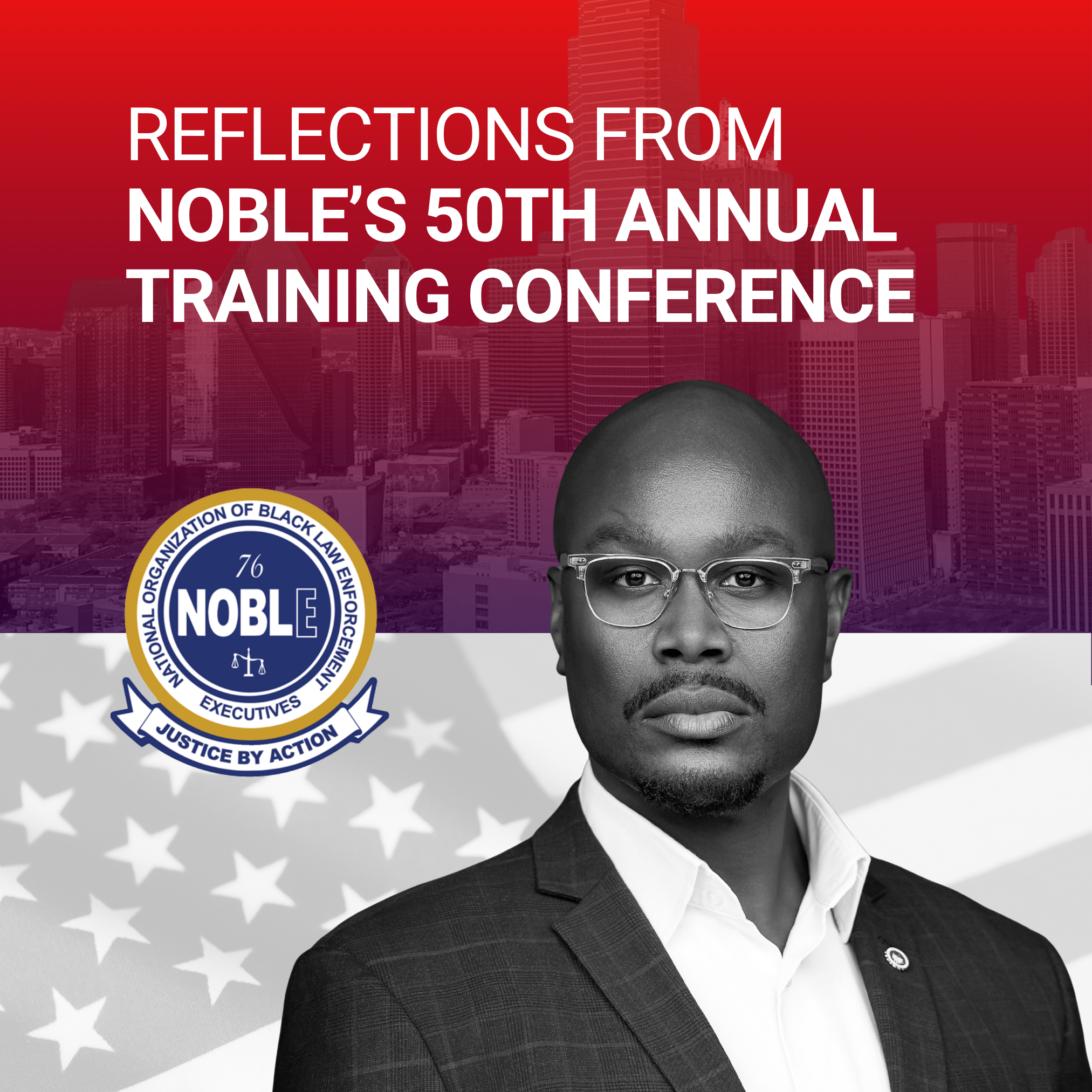
Reflections from NOBLE’s 50th Annual Training Conference
Our Federal Legislative Director, Reginald Darby, shares his reflections on leadership, partnership, and public safety from a week of learning and connection at NOBLE's 50th Annual Training Conference.
