.avif)
Eight Surprising Ways Second Chances Change Lives


.avif)
We often talk about the different kinds of barriers that arrest and conviction records create, commonly discussing barriers to housing, employment, and education. But the truth is, old records can quietly shape nearly every part of life — from honoring a loved one’s last wishes to opening a bank account. Clean Slate policies don’t just remove obstacles; they open doors to dignity, stability, and opportunity in ways many people don’t expect.
Here are eight surprising ways second chances can transform lives for the better:
1. Carry Out a Loved One’s Final Wishes
In many places, a record can disqualify someone from serving as the executor of a will — even if they’re the person a loved one trusted most. Clean Slate can help restore that right, allowing people to honor family legacies and be part of life’s most meaningful moments.
“Estate planning, a crucial aspect of financial and legal preparation, often becomes more intricate when an individual has a criminal record… A criminal record can impact various elements of estate planning, from the distribution of assets to the appointment of executors and guardians.” — Robert Miller Associates
2. Open the Gates to Easier Travel at Airports
TSA PreCheck helps travelers breeze through security — but for people with certain records, it’s off-limits. Even old convictions can temporarily or permanently disqualify someone, turning every trip into a stressor. Clean Slate means fewer barriers to safe, efficient travel and one less way the past holds people back.
“The Trusted Traveler Programs (TTP) application review process involves a background check, and many criminal offenses can result in a program denial or revocation. Recurrent vetting for TSA PreCheck and Global Entry members also tends to involve checking members' criminal records.” — Chase
3. Safeguard Your Family’s Future With Life Insurance
A past conviction can make it harder — and more expensive — to get life insurance, even years later. Clean Slate can remove these barriers, helping families secure the protection they need when it matters most.
“Insurers often use criminal history data in underwriting, including arrest records that may not reflect conviction status, potentially leading to higher premiums or denials.” — Peter Kochenburger, Southern University Law Center
4. Apply For a Job Without Holding Your Breath
Every application shouldn’t feel like a confession. Clean Slate means people who’ve done the hard work of rebuilding their lives don’t have to keep reliving the worst thing they ever did — especially as they try to find employment that will help them rebuild their lives. According to a report from The Clean Slate Initiative, 42% of survey respondents who received automatic record relief in UT, PA, or MI, reported improvements in work, employment, personal finances, or public assistance.
“Millions are denied work due to old records — even when they're qualified and ready.” — The Clean Slate Initiative
5. Walk Through the World Without Shame
Imagine living every day knowing that a mistake from years ago could resurface on a background check — at the pharmacy, the airport, or even the library. Research shows that record clearance not only removes external barriers like those to employment but also supports internal transformation by affirming a new identity. Clean Slate gives people peace of mind and the simple dignity of being seen for who they are today.
“Clean Slate is about freedom, dignity, and the ability to move forward.” — The Clean Slate Initiative
6. Explore Higher Education Without Barriers
Even a minor record can create insurmountable barriers to education. At least 70% of colleges and universities use background checks in admissions, student jobs, and even dorm housing, screening applicants for records — often without evidence that they make campuses safer. Clean Slate can remove this hidden barrier and open the door to the education that people have earned the right to pursue.
“Criminal record screening in college admissions raises substantial hurdles and barriers on the path to college for students with criminal records.” — Robert Stewart, University of Minnesota
7. Get the Capital to Start Your Own Business
Many entrepreneurs with records are locked out of government-backed small business loans — not because of the value of their idea or their plan, but because of outdated Small Business Administration rules. By sealing eligible, years-old offenses, Clean Slate can open the door for more people to pursue their dreams and build something of their own.
“Many structural barriers remain, including a series of little-known federal regulations and policies that impose broad criminal history restrictions on access to government-sponsored business loans, notably by the U.S. Small Business Administration (SBA).” — David Schlussel, Collateral Consequences Resource Center
8. Open a Bank Account Without Being Shut Out
Some banks shut out people with criminal records, cutting them off from the basic tools to save, pay bills, or run a business. Clean Slate can remove these barriers, giving people the full ability to participate in the financial system and build a stable financial future.
“Sometimes, individuals who have been convicted of a crime have difficulty opening and maintaining bank accounts. Financial institutions often shut out customers with criminal histories partly as a result of the overcriminalization of financial rules.” — Rick Jones, National Association of Criminal Defense Lawyers
Pastor Mike and Cynthia are two advocates featured in The Clean Slate Initiative's "Voices of Clean Slate" video series. Check out their videos below:
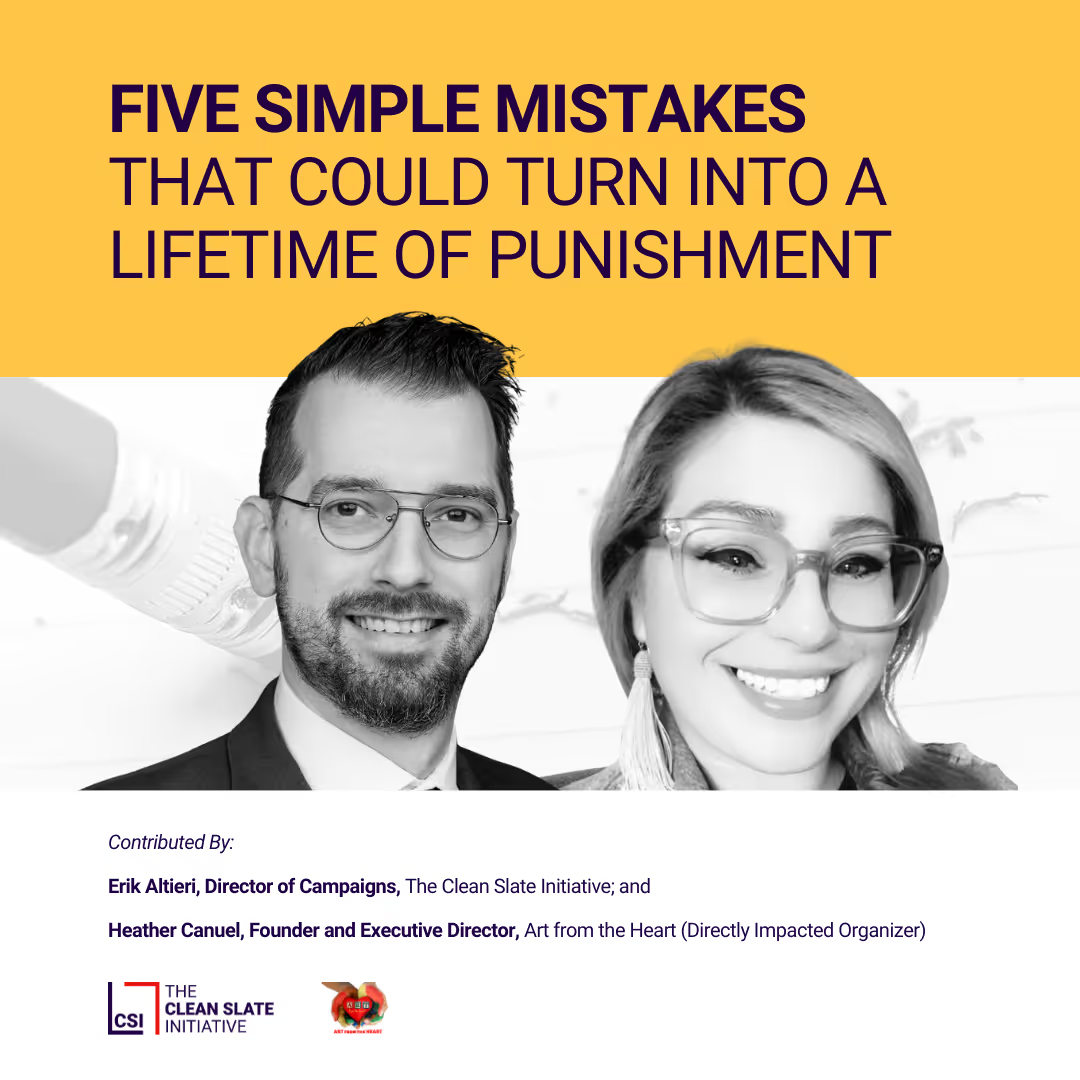
Five Simple Mistakes That Could Turn into a Lifetime of Punishment
Most people think of an arrest or conviction record as the result of serious crimes — but in reality, even small, everyday mistakes can snowball into lifelong punishment. Learn more in this collaborative contribution from Erik Altieri, CSI, and Heather Canuel, a Directly Impacted organizer.
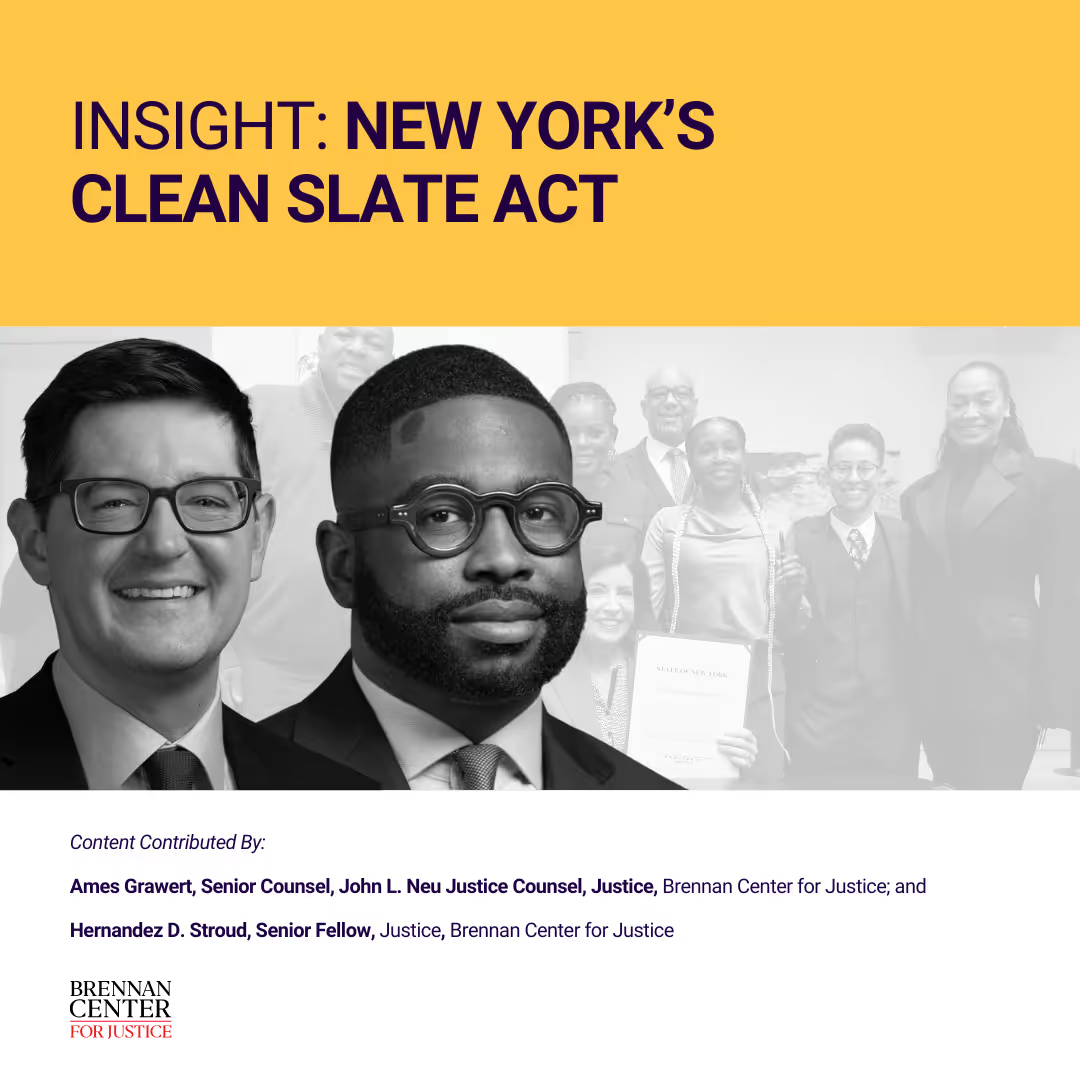
Insight: New York’s Clean Slate Act
Advocates and legislators built broad support for Clean Slate in New York by balancing bold reform goals with practical compromise. Their success offers valuable lessons for advancing Clean Slate policies in other states. Learn more in this analysis from The Brennan Center for Justice's Ames Grawert and Hernandez D. Stroud.
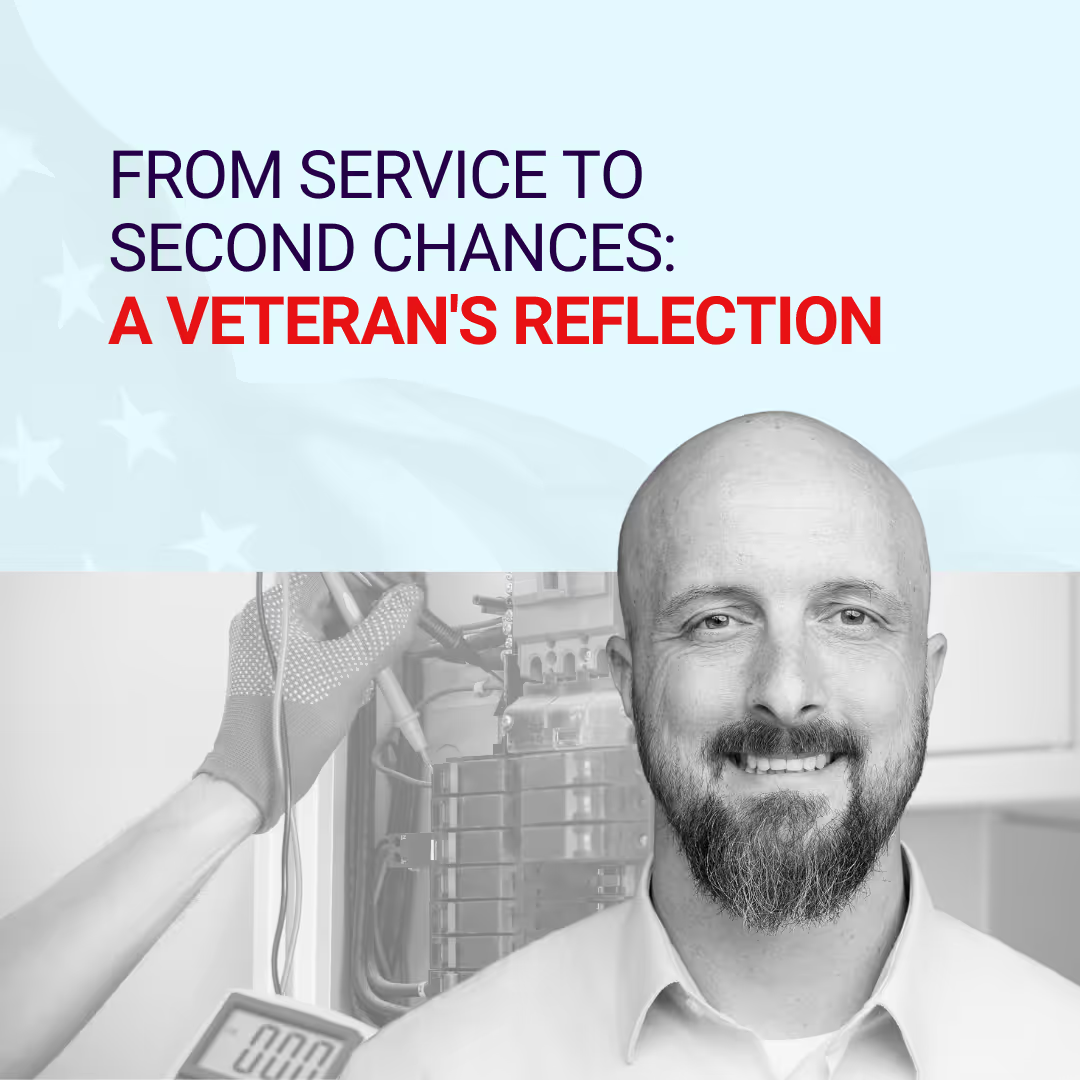
From Service to Second Chances: A Veteran's Reflection
A veteran reflects on service, loss, recovery, and redemption — sharing how a second chance helped him rebuild his life and rediscover purpose, and how Clean Slate helped him thrive. Read more in this guest contribution from Richard Flanagan.
Virginia’s Clean Slate Implementation Started This July: Here’s What You Need to Know
Virginia's Clean Slate Act entered implementation on July 1, 2026. Learn what changed, who may be eligible for record sealing, and what comes next as the law rolls out across the Commonwealth.
New Research: The Economic Losses from Arrest & Conviction Records
A new research report by The Clean Slate Initiative finds that arrest and conviction records are associated with substantial and persistent losses in employment and earnings — even when a person was never convicted and even after more than a decade without further legal system contact.
.png)
New Resource Helps Pennsylvanians Understand Clean Slate and Check Their Records
A new Clean Slate Initiative resource helps Pennsylvanians understand which records may qualify for automated sealing, how waiting periods work, and how to check what appears on their public record.
